By Me/ Self Image Magazine/ Renewal
Listen to the Article (2 parts)
Part 1
Part 2
I am going to tell you the truth before we even get started: I don’t own a copper cup yet.
I want one. I have looked at them, priced them out, closed the tab because they’re expensive, and walked right back into my kitchen to drink out of plastic like I do almost every single day. So if you’re expecting some holier-than-thou lecture from someone living off the grid with a perfectly curated apothecary cabinet, you’re in the wrong place. I’m right here in the middle of waking up with you.
That’s actually how most of my best realizations start—not on a mountaintop, just standing in my kitchen or scrolling late at night, suddenly questioning something I accepted my whole life without blinking.
For years, if you had asked me about copper pipes versus plastic pipes, I would have given you the exact answer we were all conditioned to believe. Metal pipes? Why would anybody want water running through metal? Doesn’t metal rust? Doesn’t it flake off and put heavy junk into your water? Plastic looked clean. Plastic looked modern. White PVC and flexible PEX tubing looked sanitary, bright, and safe, like progress.

Then you actually go down the rabbit hole. You stop listening to the noise for five minutes and look at what these materials actually are, and suddenly the whole picture flips upside down.
First of all, copper doesn’t rust. Iron rusts. Steel corrodes. Copper doesn’t. Not only does copper not rot into your water, it is naturally antimicrobial and antibacterial. Let that sink in for a second. Before modern hospitals started wrapping every surface in synthetic polymers and dousing everything in harsh chemical disinfectants, people knew that copper kills bacteria on contact. Germs, viruses, and microbes literally cannot survive on a copper surface. Ancient civilizations stored water in copper vessels not because it was trendy, and not because they didn’t have anything better, but because copper kept the water alive, clean, and charged.
And what did we trade it for? Cheap plastic.
We ripped solid, living, antibacterial metal out of the walls of our homes and replaced it with petroleum-based tubing. We started piping our drinking water—the very thing our cells are made of—through synthetic plastic that leaches microplastics and hormone-disrupting chemicals straight into our bodies every time the tap turns on. And they sold it to us as an upgrade. They told us it was smarter, easier, and more efficient.
Once you see that switch, you can’t unsee it.
Because it was never just about plumbing.
Think about what copper actually does in the physical world. Copper is one of the highest natural conductors of electricity on this earth. And what are you? You aren’t just flesh and bone sitting in a chair. You are an electrical being. Your heart beats because of an electrical impulse. Your brain fires signals through a living network of currents. Every single cell in your body holds an electrical charge, and when that charge drops, you feel it—you get sluggish, foggy, inflamed, and drained.
Copper moves energy. It conducts. It grounds. It recharges.
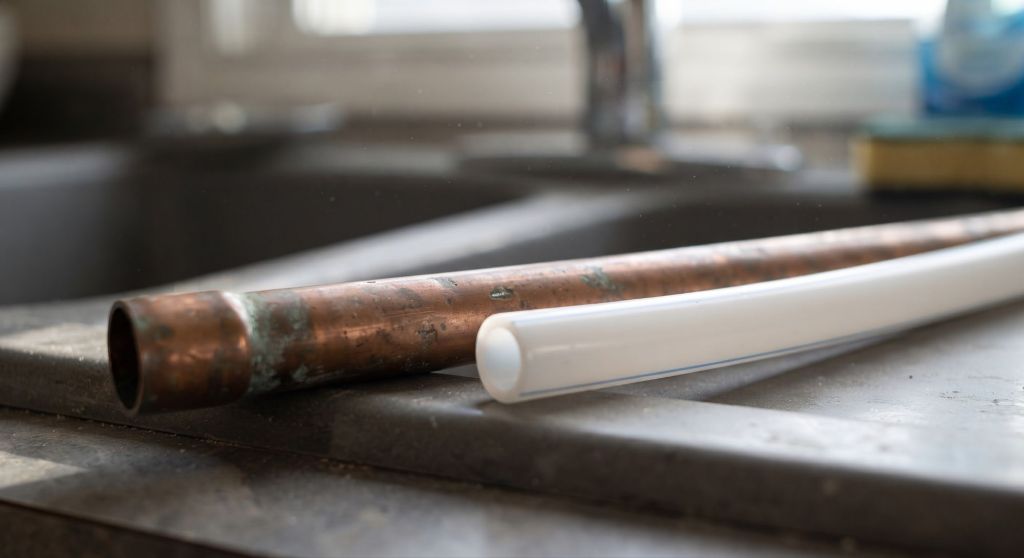
That’s why people have worn copper bracelets around their wrists for generations when their joints ache or their energy feels completely bottomed out. It isn’t superstition; it’s conductivity meeting an electric body. That’s why when you stick copper coils into the soil of a garden, plants shoot up stronger, greener, and faster without a single drop of synthetic fertilizer—because the copper acts like an antenna, pulling natural atmospheric energy right down into the roots where life happens.
I even watched a video not long ago of a woman standing outside with copper pipes aimed toward the sky, and right on camera, the thick, unnatural haze overhead began breaking apart and dissipating. Call it wild if you want. Roll your eyes if you’ve been trained to mock anything outside a textbook. I don’t really care anymore.
When you watch the same element heal human joints, purify stagnant water, supercharge soil in a garden, and clear stagnant air above our heads, you start realizing something profound: God put specific, conductive elements in this earth to work in harmony with His creation.
Now ask yourself what plastic does.
Plastic is an insulator. Literally, by definition, plastic blocks electricity. It stops current dead in its tracks. It doesn’t conduct, it doesn’t breathe, it doesn’t purify, and it never breaks down into anything that feeds the earth. It just sits there, dead and synthetic, slowly shedding poison into whatever touches it.
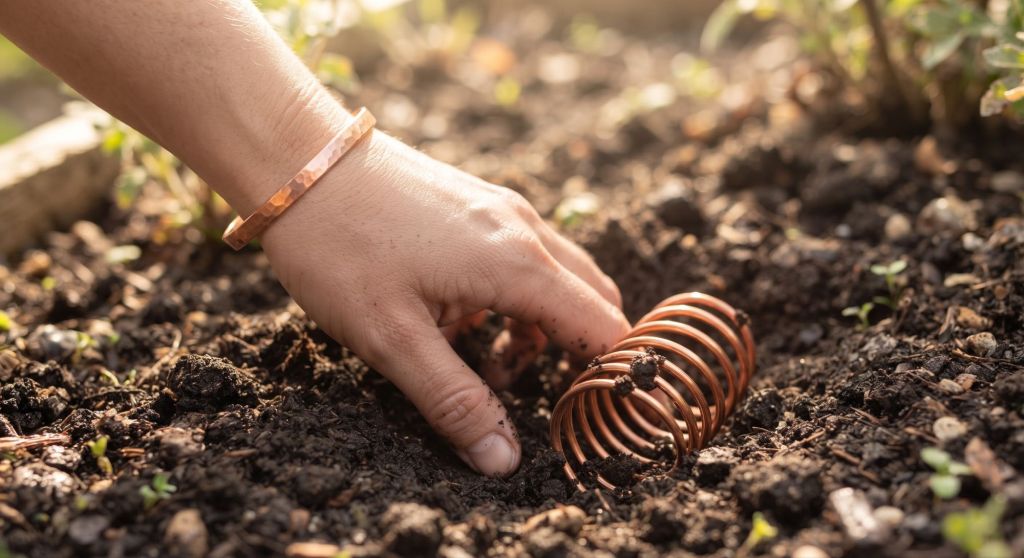
When you step back and look at that contrast—living, conductive copper versus dead, insulating plastic—you stop asking how this happened and start asking why.
Because every single time this world swaps out something real for something synthetic, the pattern is identical. Someone gets rich selling you the cheap substitute. It breaks down faster, so you have to keep buying it. It weakens your body quietly over twenty or thirty years, so you end up dependent on another industry to manage the symptoms you never should have had in the first place.
Still, the money is only the surface layer. If you go deeper—down to the root of why everything in our culture feels so upside down right now—this isn’t even about profit margins. It is about disconnection.
Look at the big picture of how you pull a human being away from God. You rarely do it all at once. If darkness showed up at your front door looking like darkness, you would slam the door in its face and lock the deadbolt. So instead, it happens inch by inch, swap by swap, over generations, until you don’t even remember what the original design felt like.
You replace real food with lab-made ingredients your stomach doesn’t recognize. You replace real face-to-face community with glowing screens that mimic connection while leaving you completely alone in your living room. You replace quiet discernment with constant noise.
And right inside the walls of your own house, you replace the earth’s natural, conductive, healing metal with cheap plastic that insulates you from the very frequency God wired into creation.
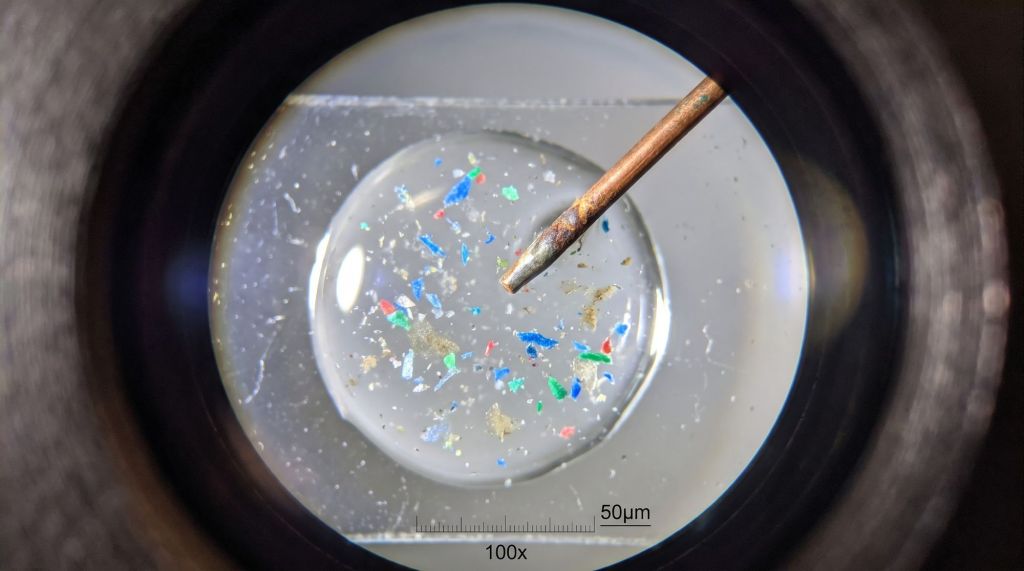
Plastic doesn’t just block electrical current in a wire. On a deeper level, a synthetic lifestyle insulates your whole system. It dulls your senses. It clogs your clarity. When your body is constantly fighting off low-grade toxins, drinking dead water out of synthetic bottles, and living cut off from the natural rhythms of the earth, you walk around in a low-level fog. You feel heavy.
You second-guess your own gut. You lose touch with the quiet, unmistakable nudge of the Holy Spirit—not because God stopped speaking, but because your receiver is buried under layers of synthetic static.
That is the real conspiracy. Not some movie plot with villains twirling mustaches in a dark room, though plenty of people profit off our ignorance. The real war is against your alignment. It is a slow, systematic effort to separate your body from the earth, your mind from your intuition, and your spirit from your Creator.
And the wildest part? Most of us hand over our power without a fight because the synthetic version is cheaper and more convenient.
I catch myself doing it all the time. Even after learning all of this, I still reach for the plastic cup in my cabinet because it’s already sitting there and a good copper vessel costs money. Knowing better doesn’t automatically break a habit; it just removes your excuse for staying asleep.
Healing yourself—truly doing the inner work—isn’t just journaling about your feelings or cutting off toxic people, though those things matter.

Sometimes healing is brutally practical. It’s walking into your own kitchen, looking at what you put in your body every day, and realizing you’ve been settling for cheap substitutes because you didn’t think you were worth the real thing.
You were designed to carry light. You were built with an electrical current running through your veins, placed on an earth full of elements meant to strengthen you, sharpen you, and keep you grounded. Stop letting a cheap, synthetic world insulate you from the way God made you to feel.
Maybe you can’t rip the PEX tubing out of your walls tomorrow morning. Neither can I. Start where your hands actually are. Put a copper bracelet on your wrist. Bury a coil of copper wire in your backyard garden this spring and watch what happens to the soil. Toss the beat-up plastic water bottle you’ve been refilling for six months, save up for the copper cup, and start paying attention to every other area of your life where you traded something solid and God-given for something cheap and hollow.
Wake up. Check what’s running through your walls, what’s sitting in your cup, and what’s quietly numbing your spirit. Once you feel the difference between the real thing and the imitation, you will never go back to plastic again.

