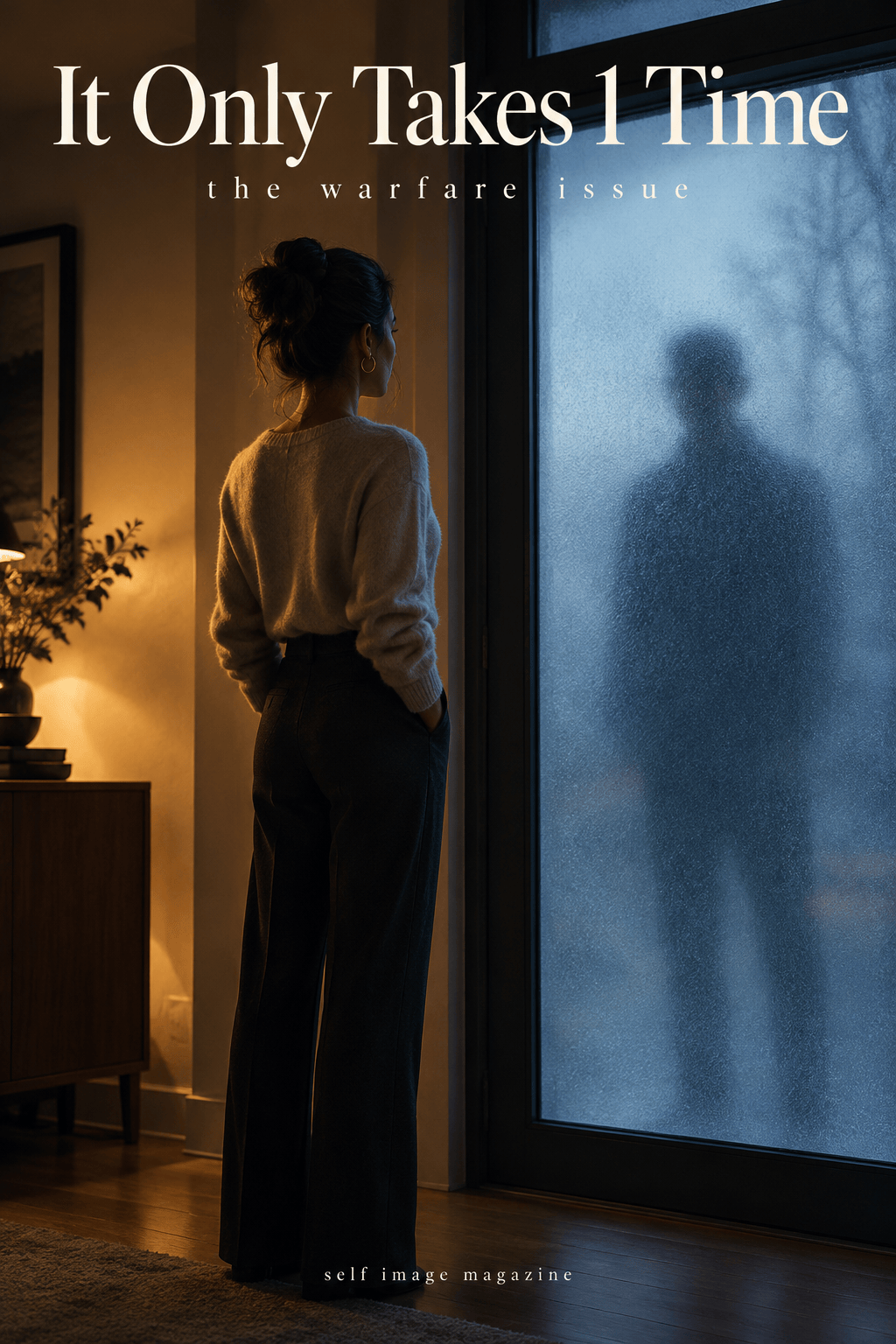
By Me/Self Image Magazine
The Warfare Issue/ Novemeber 2026
Article Song
Listen to the Article
Part 1
Part 2
I had a conversation once, sitting in a parked car, that I have never been able to shake.
The person I was talking to was telling me about a woman who had a restraining order against him. And the way he told the story, she was the villain of it. She was, in his words, a bitch. She’d ruined things for him. He couldn’t believe she’d gone and done all that. Then he turned to me and said how thankful he was that I wasn’t like her — that I’d never do that to him.
And I asked the only question in that whole story that actually mattered.
“Did she ever tell you to leave her alone? Or did she just get this order out of nowhere?”
He sat there for a second. And then he said, “Well… she didn’t really tell me that many times.”
Not that many times.
I said, “It only takes one time.”
I wasn’t yelling. I wasn’t cruel about it. I said it the way you say anything true. If a person tells you once — one time — to leave them alone, and you don’t, then the problem isn’t that she’s harsh. The problem is that you didn’t listen. That’s not on her.
That’s on you.

I think about that conversation a lot. Not because of him, but because of what was hiding underneath it — a belief I’ve seen in a hundred places since: the belief that a boundary only counts if you say it loud enough, often enough, mean enough. That a “no” is somehow unfinished until the other person agrees with it. That the person enforcing the boundary is the one causing the problem.
And then I lived it. And I learned something most people never get told.
Here’s what surviving somebody like this actually looks like: sometimes you have to be soft on purpose. Not because you’re weak — because you’re playing the long game. There was a season where I smiled at somebody I was genuinely scared of.
Kept my voice even. Navigated his moods like weather. If somebody had been watching from across the street, they might have called it being nice. It was not nice. It was strategy. When you can’t control whether somebody shows up at your door, you can at least control what they believe about you — and it is safer to be underestimated than to be a target. I wasn’t building a friendship. I was lowering the temperature.
De-escalation is not surrender; ask anyone who negotiates for a living.
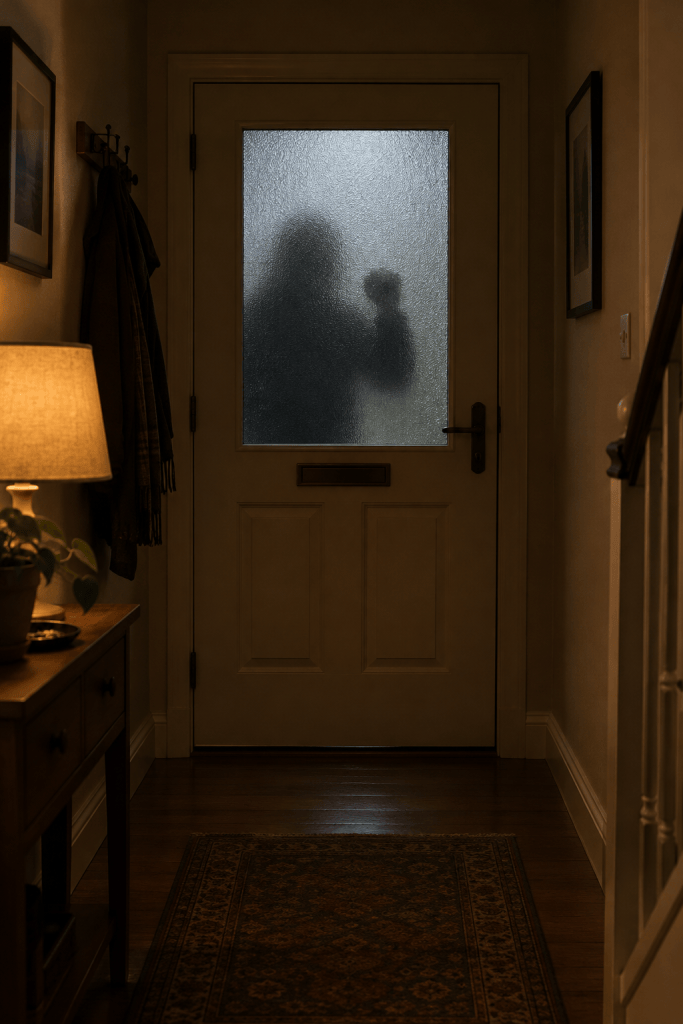
The privacy film on my windows wasn’t politeness either. It was me making sure I could see who was standing on my steps without them seeing me. That thin sheet of frosted plastic said leave me alone clearer than my voice ever did.
And the apologies — the ones I didn’t owe — those weren’t weakness either. They were currency. An apology from me was cheaper than an escalation from him, so I paid it. That’s just math when you’re scared.
But here’s the thing about strategy: it’s a bridge, not a home. You de-escalate to buy yourself time and room to breathe — and then, when the strategy has taken you as far as it can go, you stop carrying it alone. The moment came for me when it was no longer possible to pretend it was anything other than what it was, and I made the call. The police called him. Told him, in no uncertain terms, not to contact me again. And I don’t regret a single move I made before that, either. Every soft answer, every even tone — that was me buying myself time to get somewhere safe. There is no shame in strategy. The only failure would have been never switching from strategy to protection.
Here’s what that whole experience taught me about what “it only takes one time” actually means. The moment someone says leave them alone, stop calling, don’t come over — that’s the whole message. It arrived. There’s no fine print, no trial period, no appeal process. If you keep showing up after that, you’re not being persistent, or romantic, or loyal. You’re just proving that you heard them and decided their words don’t matter. That’s not love. It’s not even stubbornness. It’s a refusal to see another person as real.
Now, here’s the part I really need you to hear, because this is where most people get stuck.
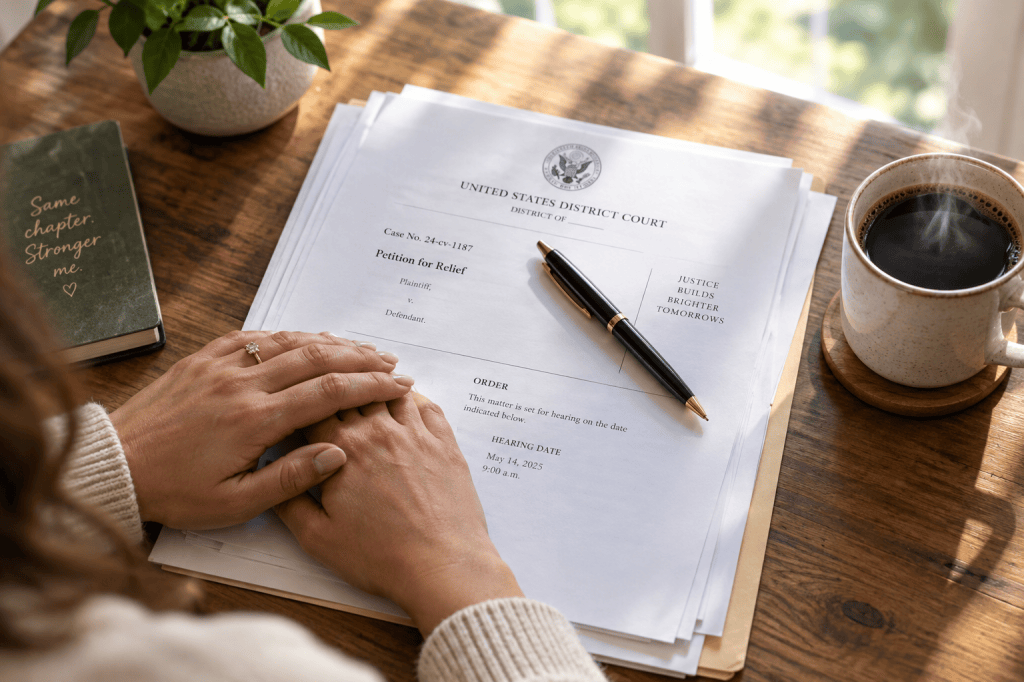
Getting a protection order does not make you a bad person. And honestly? It doesn’t even necessarily mean they’re a monster.
Sometimes it just means the words needed backup. A protection order is not an act of hatred — it’s your “no,” written down somewhere official, where it can actually be enforced. It’s you deciding that your peace is not up for negotiation just because someone refuses to hear you the first dozen times. You can wish somebody well from a distance they are no longer allowed to cross. Kindness and firmness were never opposites. The kindest thing you can hand somebody is a wall they can actually see.
I used to believe that being a good person meant never making anyone uncomfortable. That reporting something, or putting something on legal record, was an escalation — that I would be the one crossing a line. But look at what that belief actually demands of you. It asks you to stand inside your own house, looking at someone through frosted glass, heart pounding, trying to figure out how to manage a person who refuses to be managed. It asks you to carry the discomfort for both people in the situation, forever. Strategy is a season, not a life sentence.
The belief that you can just out-nice somebody eventually is the real trap — because politeness was never going to be what stops a person who has already decided not to listen.

Here’s the line I finally drew for myself: softness on the outside can’t come at the cost of the foundation underneath. Being able to say no isn’t cruelty — it’s clarity. And a boundary you can’t enforce isn’t a boundary. It’s a suggestion.
If you’ve been reading this issue, you already know I believe we’re living in an age of deception, and that deception doesn’t just work on screens. Sometimes it works inside your own head, convincing you that you’re overreacting, that your gut is being dramatic, that you owe everyone unlimited access to you. Earlier in this issue I told you I’m not telling you to become a doormat — that boundaries are necessary and leaving toxicity behind is healthy. This is what that looks like when it stops being a concept. This is it, in a driveway, on your front steps, in a parked car.
So mean what you say. Say it once, say it clear, and when the strategy has run its course, let your actions carry the volume. Get the order. Make the call. Put the film on the window. None of that makes you cold. It makes you a person who knows the difference between keeping the peace and actually having any.
And if you’re on the other side of this — if somebody has told you, even once, even quietly, to leave them alone — then hear me the way I had to hear it in that car: it only takes one time. They weren’t being harsh.
You just weren’t listening.

