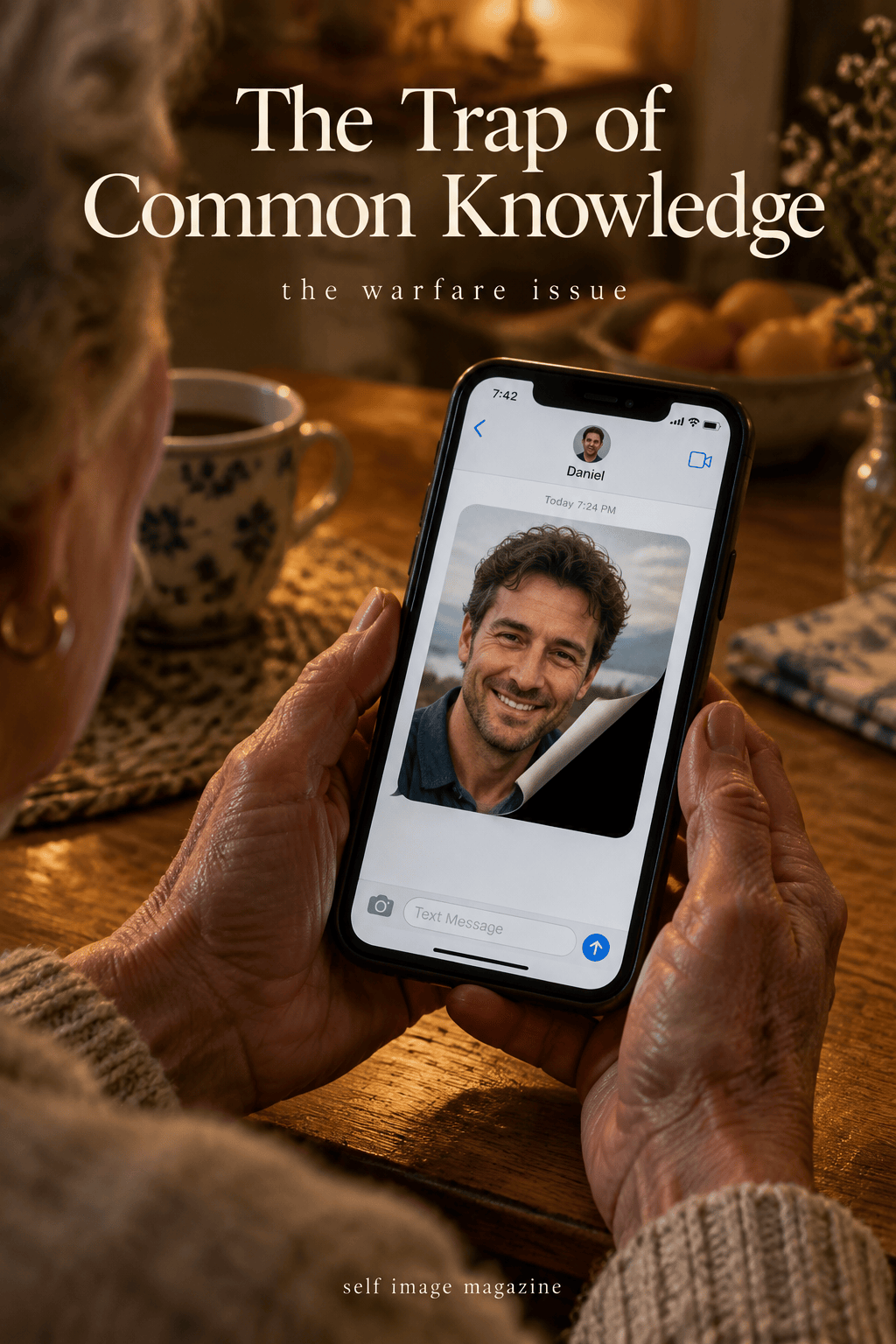
By Me/Self Image Magazine
The Warfare Issue/ November 2026
Article Song
Listen to the Article
Have you ever caught yourself assuming that just because you know something, everybody else must know it too?
We do it all the time. Once information lives in our head long enough, we store it away as “common sense” and forget what it felt like before we ever learned it. We walk around holding onto lessons, red flags, and survival tips, assuming everyone else has the exact same file saved in their brains.
For a long time, that is exactly how I felt about internet scammers.
I’ve spent plenty of time watching creators like Trilogy Media and Scammer Payback expose how online thieves operate.
Watching those videos, I always thought what they were doing was brilliant. But I also used to sit there thinking, How could anybody actually fall for this? The traps always seemed so obvious to me. I figured by now, everybody knew the red flags.
I thought that right up until the day my mom fell for one.
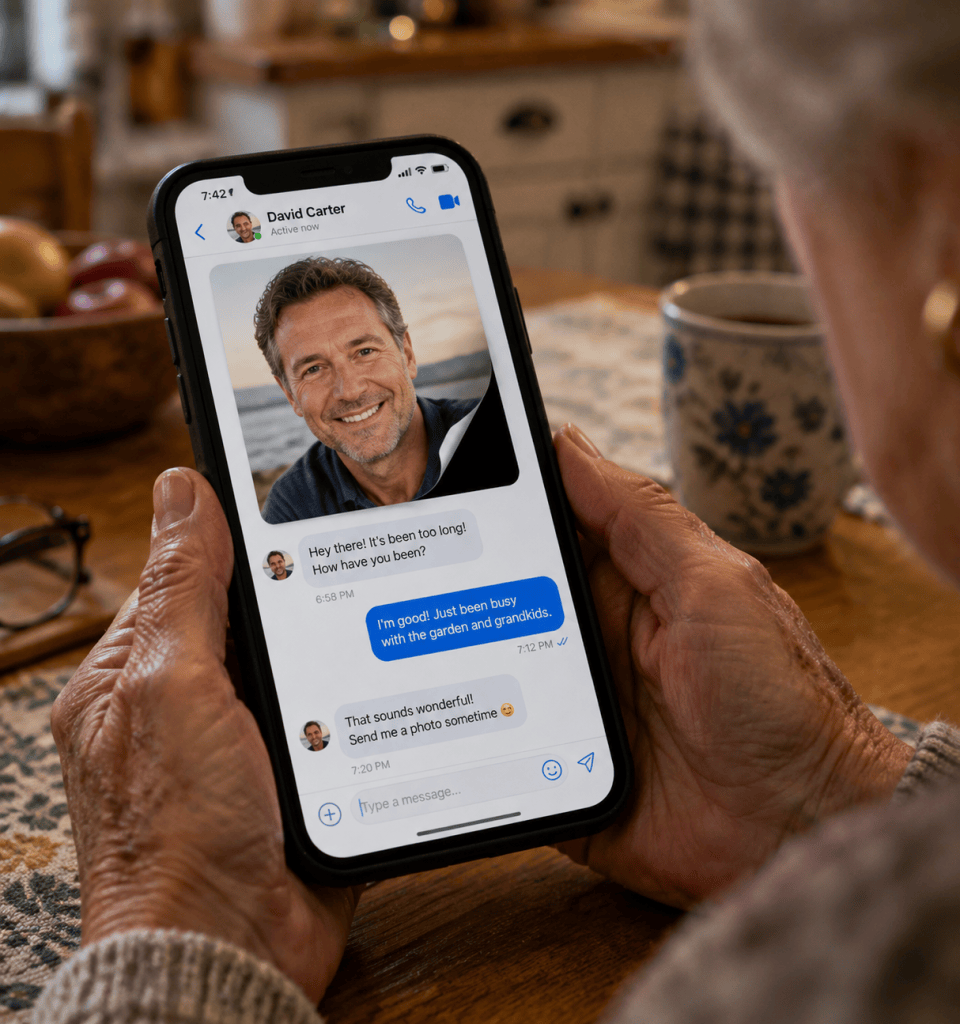
There was a guy my mom has known for a long time—someone from way back when my sister and I were children—who popped up on her Facebook. He messaged her talking about a simple way she could make a lot of money online. Whoever was on the other end of that screen was so convincing that my mom actually got into her car, drove to the store, bought a bunch of gift cards, and sent them over.
She got scammed out of a lot of money.
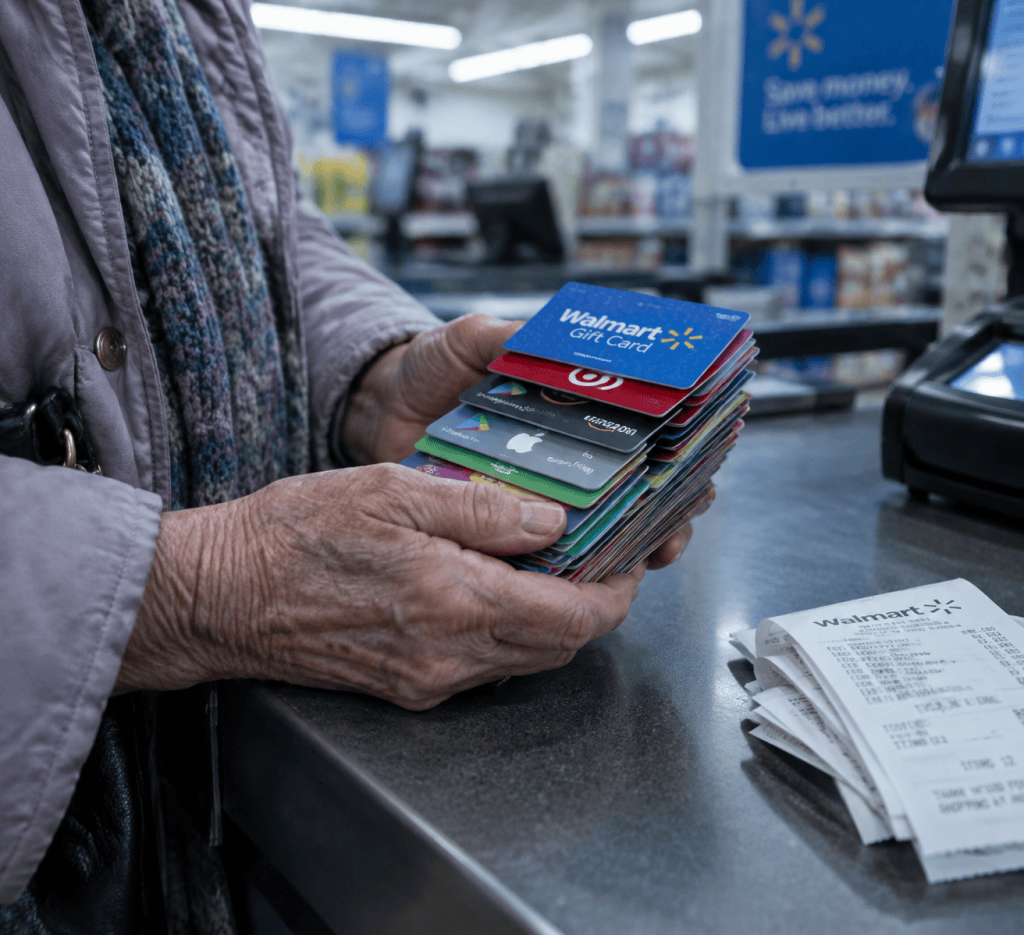
When I first found out, it completely broke my heart. My mom couldn’t afford to lose that money—nobody can afford to just hand their hard-earned cash over to a thief—and I hated seeing her taken advantage of.
When we sat down and talked about it, I realized what had actually happened. She wasn’t just trusting an old friend; she had let her guard down. I love my mom to pieces, but sometimes she wants to believe that money can just appear out of nowhere, forgetting that if something sounds too good to be true, it almost always is. I had to look at her and tell her straight: “Mom, you can’t just trust people blindly—even if I’m the one telling you something, you still need to keep your guard up.” You have to do your own research, think things through on every level, and remember that nobody is handing out easy money for nothing.
What she didn’t know at the time was that a scammer had completely hacked her old friend’s Facebook account and was wearing his name and face like a mask. Because the message came from someone she recognized, she stopped questioning it. Even when I tried to explain it, she was stuck in cognitive dissonance—her brain couldn’t process that she hadn’t actually been talking to her friend of many years. I had to walk her step-by-step through how hackers hijack accounts and use trust as a weapon.
I didn’t see her specific scam on a YouTube video; I just recognized the pattern because I’d been paying attention to how these things work. And it hit me: I had information that could have protected her, but I never shared it because I just assumed she already knew.
It happens everywhere. We assume people know how to spot a fake. We assume people know how to navigate complex systems.
I ran into this exact same trap recently when I was trying to figure out how to sign up for a passport so I can finally travel the world. I asked someone I trusted for help, and they sent me a website, telling me that was where I needed to be. But right away, something felt off.

As I started going through the process, I was questioning it the whole time. I told the person who sent it to me, “This is what’s happening,” but they just insisted, “Oh, I sent you the website,” as if I was good to go. Trusting them, I kept pushing forward, filling out the paperwork, and ended up paying a whole bunch of money.
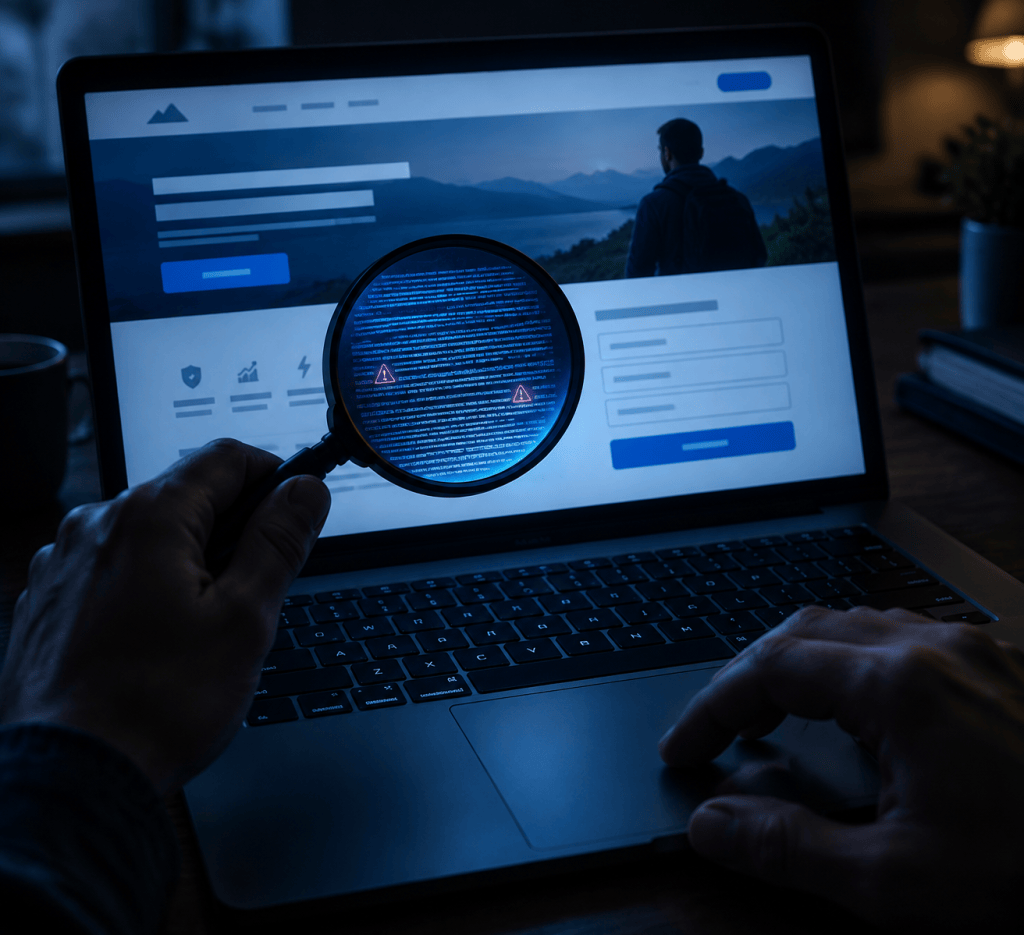
Only to find out I hadn’t paid for my passport at all—I had just paid a third-party service to review my forms! It was a completely misleading site. They had everything: my birth certificate, my driver’s license, my sensitive personal information—all because I trusted a recommendation from someone who clearly hadn’t actually clicked on the link or looked at what the site was really doing. They probably figured, Oh, she’ll figure it out, it’s just a PDF to fill out and print.
I had to talk to a representative, fight to get all my money back, and immediately contact them to demand they delete every scrap of my data because the whole thing felt shady from top to bottom.

When you’ve never done something before—whether it’s spotting a sophisticated online scam or navigating official government paperwork—it isn’t common knowledge. We live in a world where everyone expects everyone else to just figure it out. We assume people have our level of awareness, our tech-savviness, or our life experience. But the truth is, everybody has a different starting point.
We need to take a couple of seconds to actually help people, to slow down, and to guide each other instead of making assumptions. The warnings we share, the lessons we’ve learned, and the information we take for granted might just be the exact safety net someone else needs before they walk right into a trap.

