
By Me Self Image Magazine
Listen to the Article
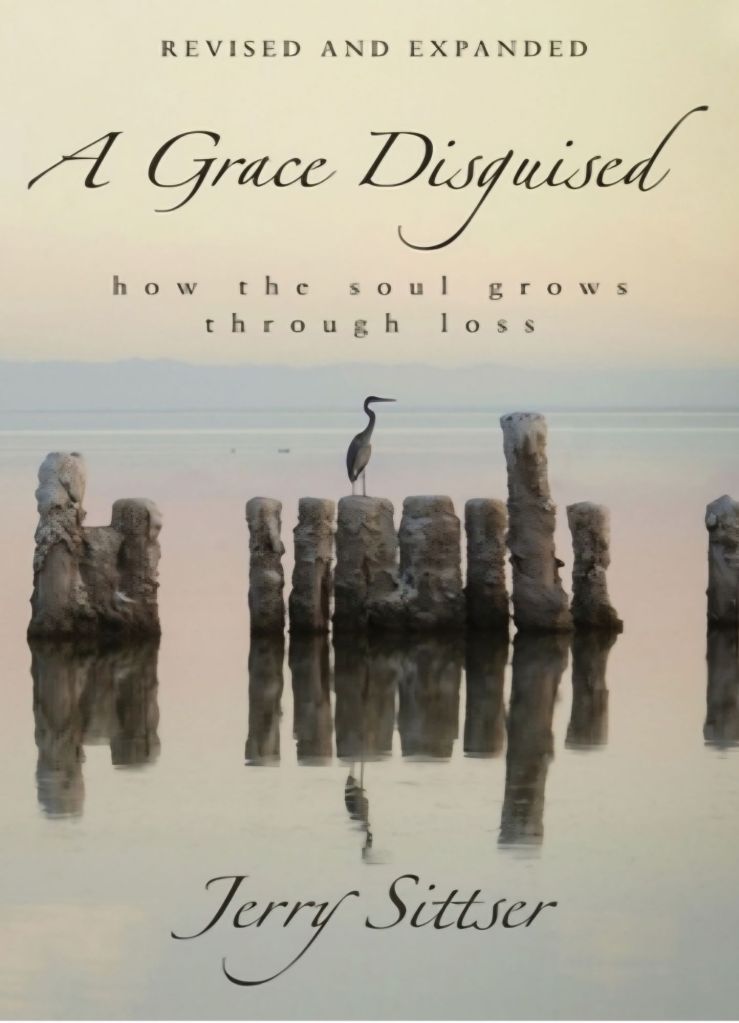
A Grace Disguised: How the Soul Grows Through Loss by Jerry L. Sittser
The Death of Who You Used to Be: Finding God in the Shattering of Self
When we talk about grief, society usually narrows the definition down to one terrible moment: the physical passing of a loved one. We send flowers, we offer a few weeks of sympathy, and we expect people to eventually “move on.” But anyone who has actually walked through the fire knows that loss doesn’t just stop at a graveside.
Sometimes, the heaviest grief is the kind nobody sends a card for. It’s the quiet, shattering realization that a past version of yourself is gone forever.
It’s the death of the life you thought you were building, the loss of a relationship you thought would last forever, or the sudden pulling away of the rug when everything you anchored your identity to gets wiped out overnight. You look in the mirror and realize the person staring back doesn’t exist anymore. Your old dreams, your old sense of security, and the comfortable version of who you used to be have all died. And that requires a deep, agonizing kind of mourning.
Navigating that kind of transformation can feel incredibly lonely, especially when Christian spaces often try to rush you past the pain. People mean well, but they want to skip straight to the resurrection without letting you sit in the heavy, dark reality of the tomb. They act like grief over a lost life or a shattered identity is a lack of faith, as if you should just smile, quote a verse, and bounce right back.
But real spiritual growth doesn’t happen by bypassing the breakdown. It happens right in the middle of it.
If you want to understand how the soul actually survives and grows through that kind of total collapse without compromising your faith, look at the framework laid out by Jerry L. Sittser in A Grace Disguised. Writing from a place of unimaginable personal tragedy—having lost his wife, mother, and young daughter in a single horrific accident—Sittser refuses to offer cheap, sugarcoated clichés.
He doesn’t pretend that pain is a blessing in disguise right out of the gate. Instead, he looks straight at the reality that deep loss forces an old version of your ego, your plans, and your identity to die. That kind of death hurts. It feels like your faith is being put through a crushing mill.
Yet, as Sittser points out, God doesn’t waste the wreckage. When everything you used to rely on is stripped away, it creates an empty space. It forces you to stop clinging to cheap securities and false versions of yourself. And it is down in that dark, quiet, broken place that God does His deepest work—rebuilding your soul with a strength, a depth, and an authenticity that a comfortable life could never produce.
Losing the past version of yourself isn’t a sign that your life is over. It’s the painful, necessary clearing out of the old so that something truer and more anchored can take root. When you are sitting in the ashes of who you used to be, remember that you aren’t being abandoned—you are being transformed.

