By Me/ Self Image Magazine/ Renewal
Listen to the Article (2 Parts)
Part 1
Part 2
It was a quiet evening when I sent a completely ordinary message to one of my followers on TikTok. Every now and then, I like to engage with the people who follow my page and check in just to say hello. I noticed the flag on his profile had changed, so I sent a quick, polite message asking if he had moved.
Almost immediately, the words came across my screen: I will kill you.
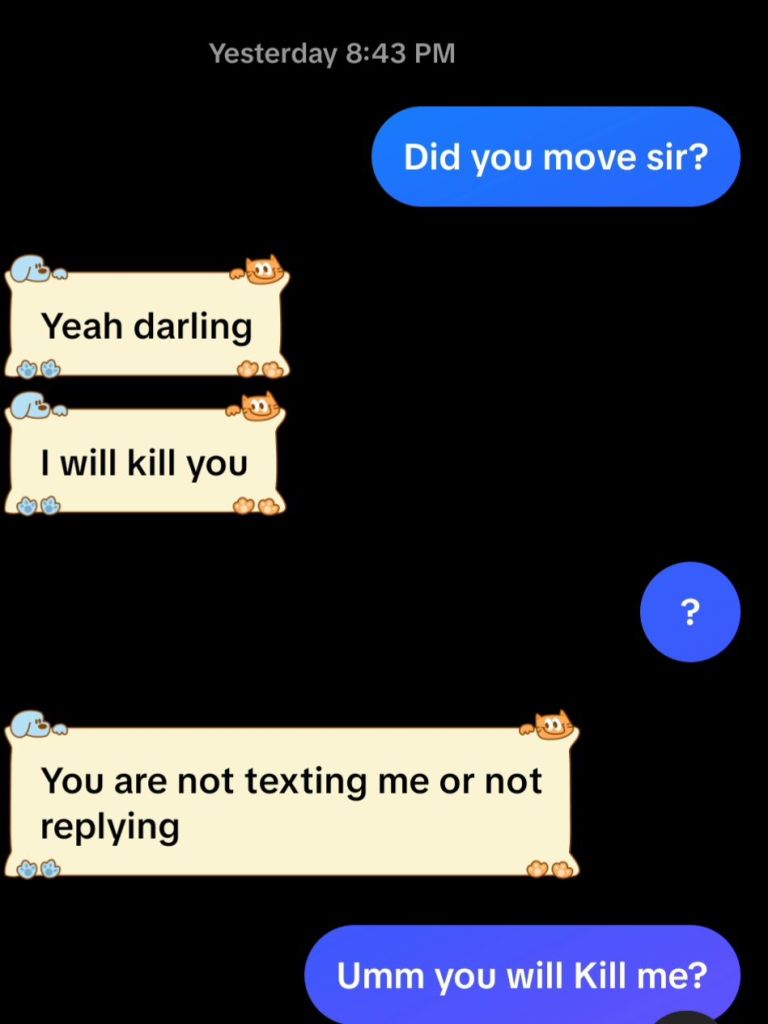
I stared at my phone for a second, genuinely wondering if I had misread it, and sent back a single question mark. He didn’t pause to apologize or correct a typo.
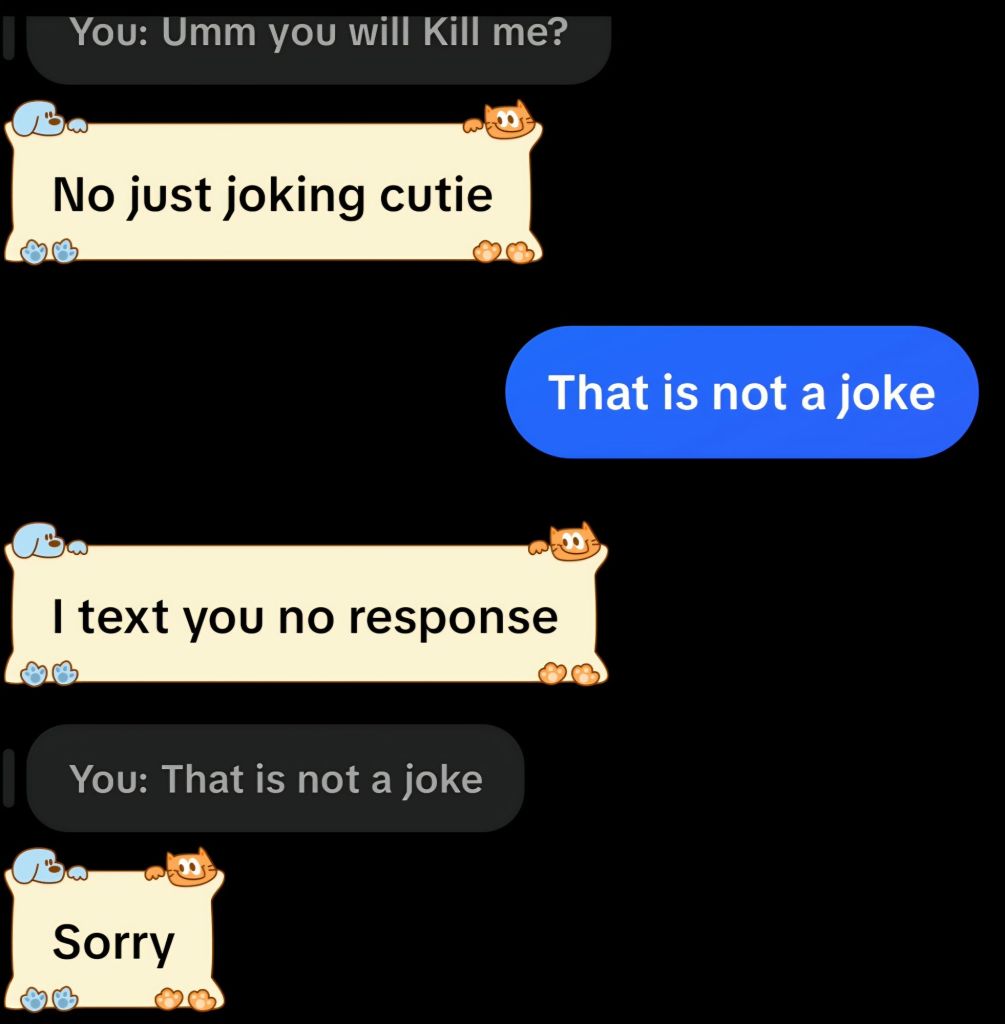
Instead, he told me he said it because I hadn’t been texting him or replying. When I pushed back on what he had just written, out came the oldest line in the book, dusted in sugar and pet names. He told me he was just joking.
I think almost every person reading this has stood in some version of that exact moment.
Maybe it wasn’t a message from someone online. Maybe it was a partner who slipped a cruel dig about your appearance into a laugh, a coworker who floated a veiled threat and followed it with a smile, or a friend who said something sharp enough to leave a bruise and immediately told you to lighten up.
And if you are anything like the person I used to be, you know the tug-of-war that starts in your chest the second those words hit the air.
Everything in you freezes for a heartbeat. Your stomach drops. Your mind registers that a line was just crossed. Then, almost before you can trust what you felt, a second voice jumps in to smooth everything over. Don’t make it weird, that voice whispers. Maybe they didn’t mean it like that. Maybe there’s a language barrier. Maybe they’re just dramatic, and honestly, you really didn’t reply for a while. If you make a big deal out of this, you’re going to look oversensitive.
Look at how quickly that trap closes. Someone says something dark and unsettling, and within ten seconds, you are the one feeling guilty for having a busy week and a life outside your phone.

That night, I didn’t smooth it over. I didn’t send a nervous laugh emoji or type out a paragraph explaining why I had been busy. I answered him plainly: That is not a joke.
He complained again that I hadn’t been responding before finally offering a flat apology. So I ended the conversation the cleanest way I knew how. I told him I would leave him be, that I would pray for him, and said goodbye.
Watch what happened the moment he realized the door was actually closing. Suddenly the messages started tumbling in back to back, asking why, apologizing, insisting he was only joking. And then, right underneath all of that, came the truth he had been trying to hide behind the word joking the entire time: he admitted he had been missing me and was angry at me.
Put those two things side by side, because they explain almost every manipulative dynamic we ever fall into.

First, it was just a joke. Ten seconds later, he admitted he was angry at me because I wasn’t giving him the attention he felt entitled to.
People rarely invent dark things out of thin air when they are trying to be funny. Humor doesn’t create venom from nothing; it just lets out whatever is already sitting underneath the surface. When someone is irritated, possessive, or resentful, the real feeling slips out before their filter can catch it. The “just joking” part only shows up afterward, once they see by the look on your face, or the silence on your screen, that they revealed too much too soon.
What scrambles our judgment most isn’t pure cruelty. If someone were openly harsh from day one, very few of us would stick around. What keeps good-hearted people second-guessing themselves is the mix of affection and threat served in the exact same breath. Look at the packaging in that conversation: sweet pet names, flattery, telling me how much he missed me, all wrapped right around the words, I will kill you.
When someone wraps hostility in sweetness, your brain tries to reconcile two things that don’t belong together. You focus on the flattery, because it feels good to be missed and noticed. You tell yourself the dark part was just a slip of the tongue. You start editing reality in your own head so you don’t have to deal with the discomfort of walking away.

That habit costs us far more than we realize.
Every time you brush off a comment that made your skin crawl, you teach yourself not to trust your own ears. Every time you laugh along to keep the peace while your gut is screaming that something is off, you train your discernment to go quiet. Do that long enough, and you wake up years later wondering how you ended up surrounded by people who drain you, disrespect you, or make you walk on eggshells. It almost never starts with a dramatic explosion. It starts with one “joke” you chose to excuse.
This is where real renewal begins.
We like to imagine renewal as something soft and scenic, like a weekend retreat, a clean desk, or a fresh journal with crisp blank pages. Those things feel nice, sure, yet they don’t actually change your life. Real renewal happens on the ordinary, awkward evenings when you refuse to repeat an old pattern. It happens in the quiet decision to update what you are willing to allow near your peace.

When someone tells you who they are, or shows you how they handle not getting their way, believe them the first time.
You do not need to wait for a second offense to gather enough evidence. You do not need to put them on trial, lecture them for an hour, or argue back and forth until they agree that what they said was wrong. Notice how little energy it takes to protect yourself when you stop trying to convince people to treat you right. I didn’t argue with him about whether he meant it. I didn’t call him names or match his anger. I told him it wasn’t a joke, wished him well, prayed for him, and hit the block button.
A lot of people carry a quiet guilt around that last step, especially those of us who were raised to be kind, patient, and forgiving. Somewhere along the way, we got confused into thinking that having a compassionate heart means leaving our front door unlocked for anyone who knocks. We start believing that if we cut off access to someone who makes us feel unsafe, we are being cold or unforgiving.
You can carry genuine grace for someone and still close the door. You can recognize that a person is lonely, hurting, or carrying something broken inside them, lift up a quiet prayer that they find real healing, and still decide they do not get a seat in your life. Blocking someone isn’t hatred. Sometimes it is the healthiest, most honest act of self-respect available to you.
Think about the conversations sitting in your own phone right now, or the remarks you have been replaying in your head all week. Think about the moments where someone said something jagged and then smiled, waiting to see if you would shrink back and pretend you didn’t hear it.

You don’t have to live in that fog anymore.
Renewing your mind means stopping the habit of explaining away red flags just so other people stay comfortable. It means listening closely when people speak, taking them at their word, and trusting the steady, quiet alarm inside you when something feels wrong.
If someone tells you they are angry enough to hurt you, and then wraps it in sweetness to make you forget what you just read, don’t laugh it off.
Don’t apologize for having a life. Say goodbye, pray for them if your heart leads you there, and walk away with your peace intact. You have outgrown the version of yourself who stayed to see if they were only kidding.

