Rise & Align
Listen to the article:
Four Books to Cut Through the Noise and Reclaim Your Focus
Building a sharp, grounded worldview requires feeding your mind with material that challenges consensus and forces you to think for yourself. This issue’s reading list focuses on four practical, non-fiction books designed to help you understand your physical environment, protect your health, master your speech, and rebuild your attention span.
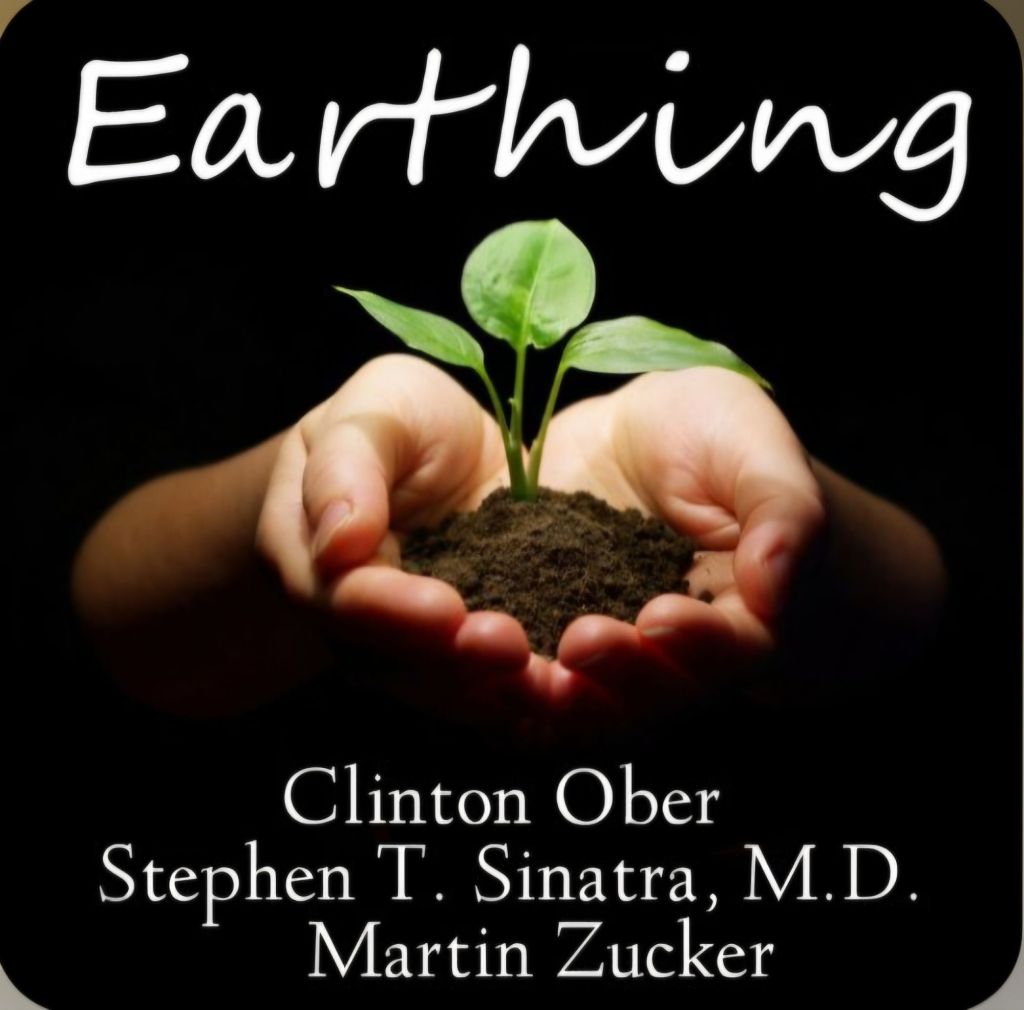
1. Earthing: The Most Important Health Discovery Ever!
Authors: Clinton Ober, Stephen T. Sinatra, M.D., and Martin Zucker
Category: Biophysics / Environmental Health
We spend almost our entire lives disconnected from the ground beneath us, isolated by rubber-soled shoes, synthetic flooring, and elevated beds. In Earthing, telecommunications veteran Clinton Ober partners with cardiologist Dr. Stephen Sinatra to explore what happens when the human body makes direct physical contact with the Earth’s surface charge.
The authors break down how direct contact with the ground allows the body to absorb free electrons, neutralizing static charge, lowering systemic inflammation, and stabilizing bodily functions. It’s a fascinating, research-backed look at treating the human body as an electrical system that requires a clean, natural connection to function properly.
Key Takeaway: Modern shoes act as electrical insulators. Getting your bare feet on raw ground isn’t a lifestyle gimmick; it’s a basic physical necessity for discharging static electricity.
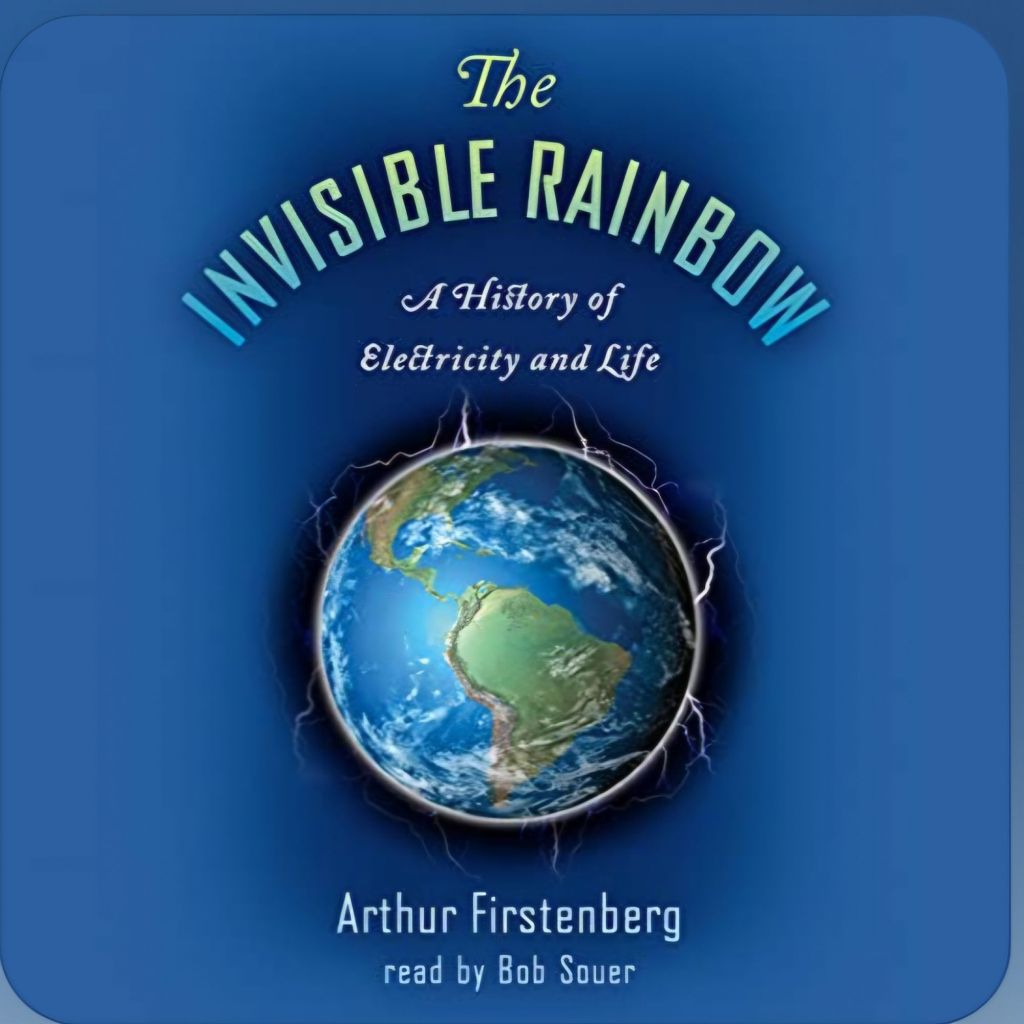
2. The Invisible Rainbow: A History of Electricity and Life
Author: Arthur Firstenberg
Category: History of Science / Environmental Biology
Over the last 150 years, humanity has wrapped the planet in an ever-growing grid of artificial electromagnetic fields—from early telegraph lines and radio towers to modern power grids, cellular networks, and wireless signals. In The Invisible Rainbow, Arthur Firstenberg presents a meticulous historical timeline linking major milestones in global electrification directly to sharp spikes in modern chronic health conditions.
Firstenberg doesn’t rely on wild speculation; he presents documented medical records, historical biological studies, and physics data to argue that human cells are deeply sensitive to external bioelectric disruption. It is an eye-opening read for anyone looking to understand how the artificial environment we’ve built impacts our physical vitality.
Key Takeaway: You cannot separate human biology from the electrical environment it lives in. Protecting your home and personal space from artificial signal noise is essential for long-term health.
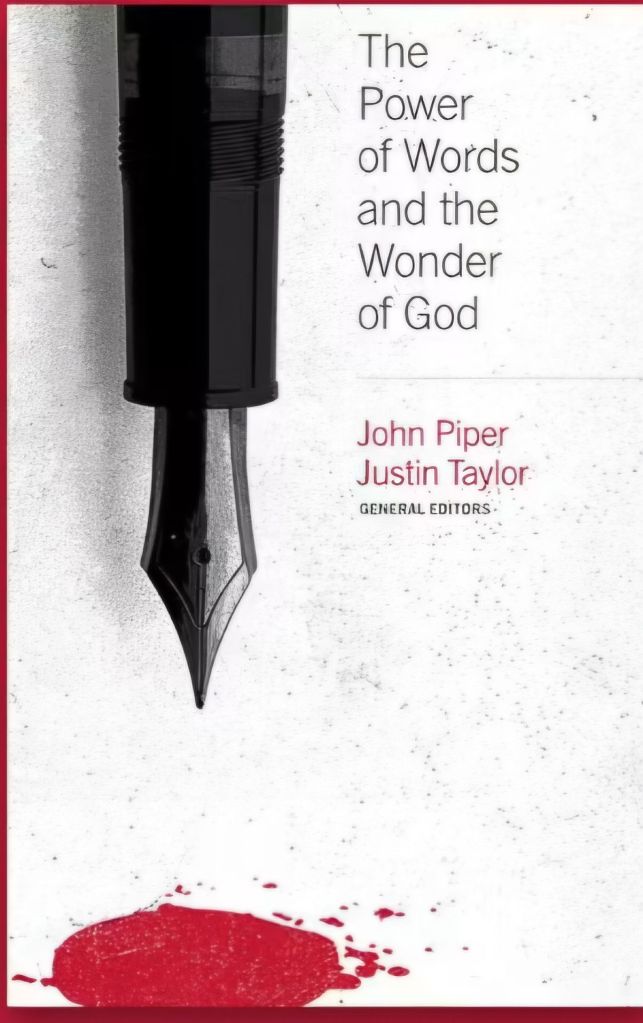
3. The Power of Words and the Wonder of God
Editors: John Piper and Justin Taylor
Category: Speech, Communication & Integrity
In a world filled with endless noise, low-vibration gossip, and careless digital chatter, language is too often treated as cheap entertainment. This collection of essays examines the immense, creative power of speech and why the words we choose carry real weight.
Rather than letting our speech be dictated by cultural trends or reactionary anger, Piper, Taylor, and their contributors lay out a framework for mastering the tongue. The book focuses heavily on truthfulness, self-control, and using language to build clarity rather than confusion or division. It serves as a strong, practical guide for anyone looking to align their daily conversation with truth and integrity.
Key Takeaway: Your words reflect your internal state. Disciplining your speech, eliminating toxic talk, and speaking with single-minded truth is an essential part of mastering yourself.
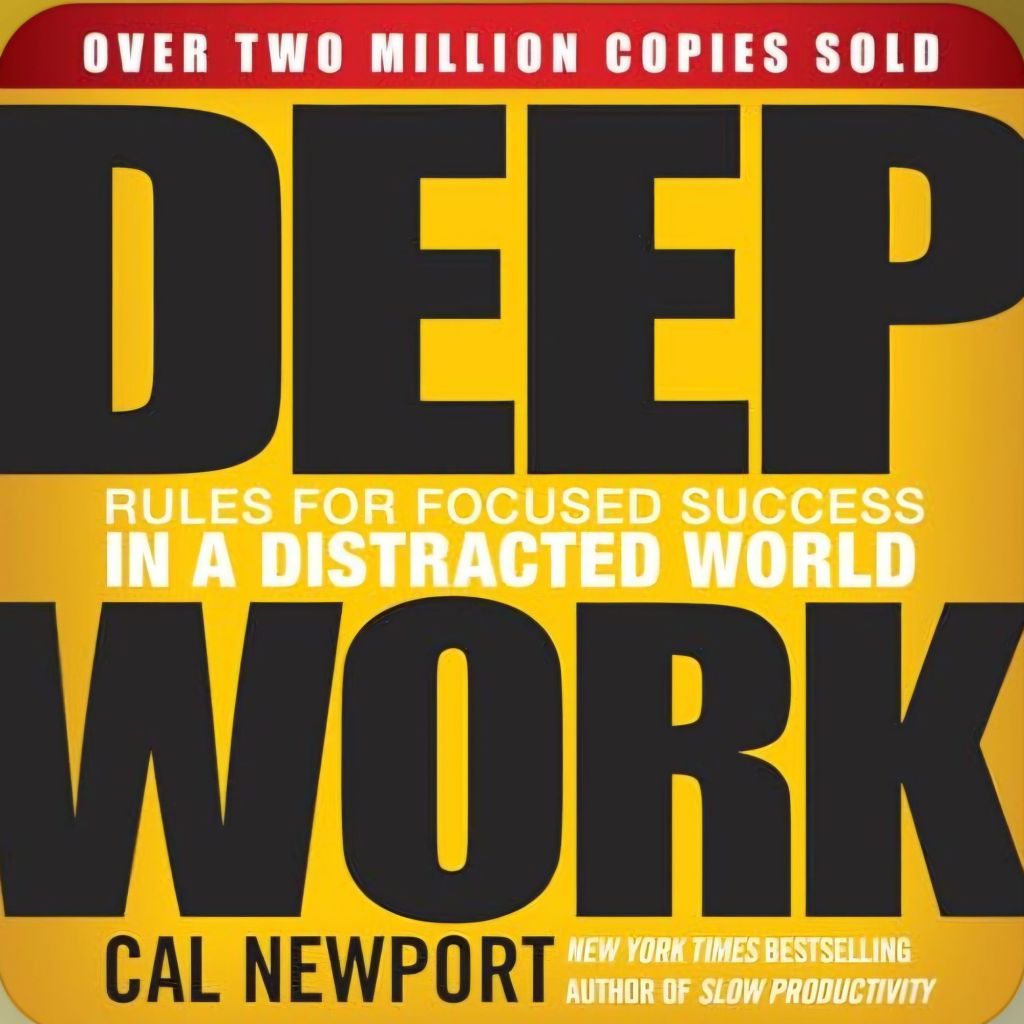
4. Deep Work: Rules for Focused Success in a Distracted World
Author: Cal Newport
Category: Productivity / Cognitive Performance
Modern algorithms and constant digital notifications are engineered to keep your mind fragmented, making true, uninterrupted concentration almost impossible. Cal Newport, a computer science professor at Georgetown University, argues that the ability to perform “deep work”—focusing without distraction on a demanding task—is becoming extremely rare at the exact moment it is becoming valuable.
Newport provides a practical blueprint for retraining your brain, cutting out shallow digital distractions, and cultivating high-level focus. It is an essential operational manual for anyone who wants to stop floating through the day and start building meaningful, lasting work.
Key Takeaway: Attention is a finite resource. If you allow digital noise to fragment your day, you surrender your ability to think deeply or create anything of real value.
 Self Image