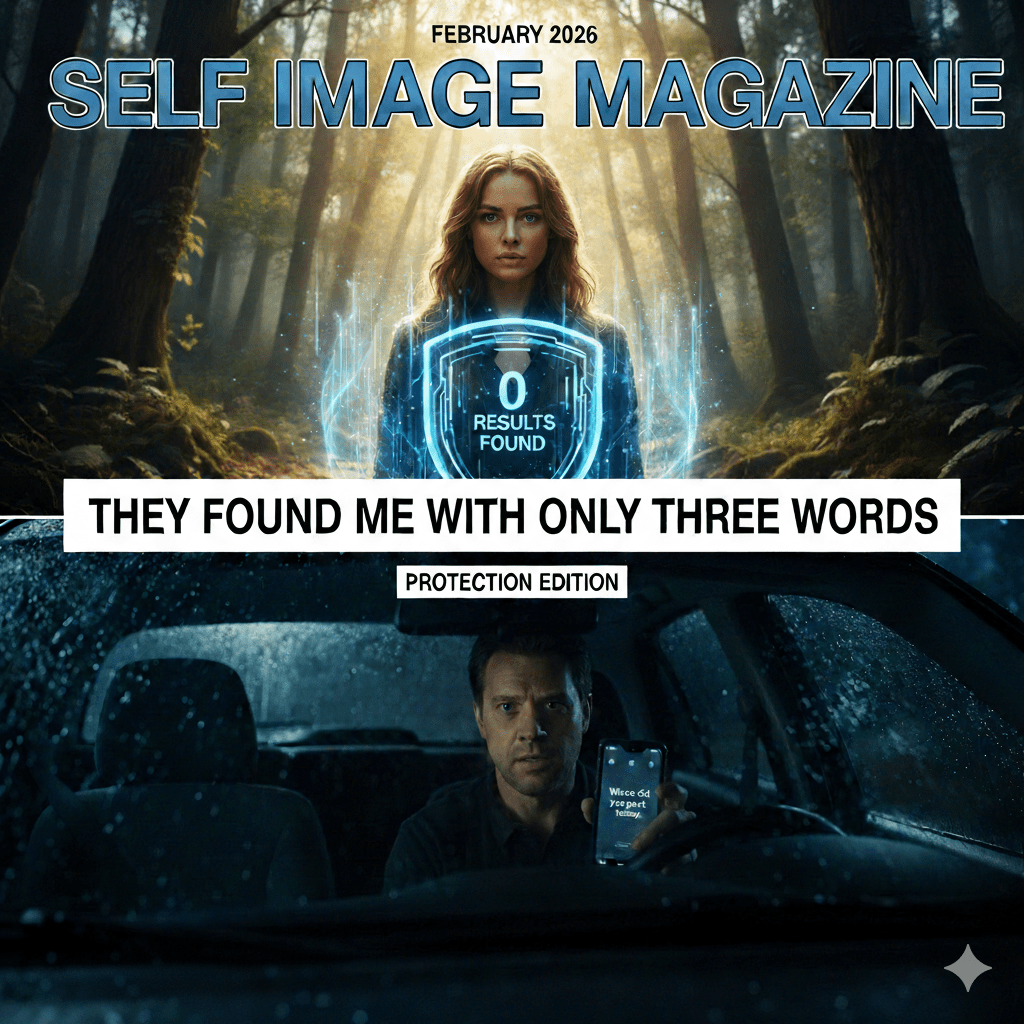
By Amber Self Image Magazine Protection Edition
I thought I was being smart. In the early era of social media, we were all taught a specific set of rules for staying safe: “You can say your name and your general area, but never give out your home address.” I followed those rules. I was 18, just starting my career, and navigating the world of online connections.
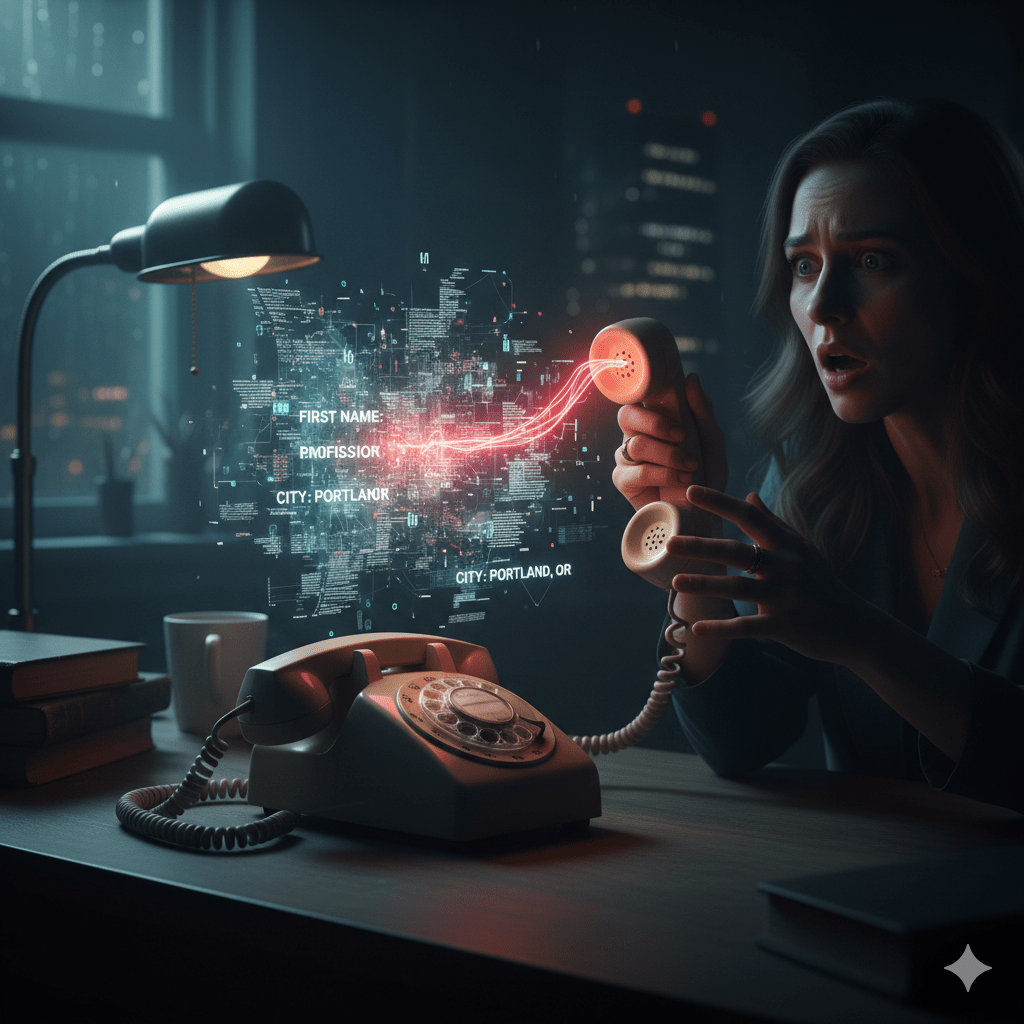
When someone asked who I was, I stayed within that “safe zone.” I gave them my first name, the major city I lived near, and the specific profession I was in. I never gave a last name, a street address, or the name of my employer. I truly believed that without those specific keys, no one could find the door to my real life. We were told that the world was too big to be found—that sharing your profession was harmless because it would be like looking for a needle in a haystack. But I learned the hard way that when you provide your first name, your region, and your profession, you aren’t a needle in a haystack anymore; you are a needle that you’ve just handed a magnet to.

I gave that “vague” information to just one person. That person used those three digital crumbs to sift through the noise, locate my specific workplace, and call me while I was on the clock. That jolt of hearing a stranger’s voice on my professional landline—the realization that he had penetrated my daily life—shattered my sense of security. It was a chilling lesson: if you give them the “who” and the “what,” they will find the “where” on their own.
- The Day Zero Defense: Never use your real name on a public account. Create an alias that reflects your mission or your brand. You are not filling out a government form; you are creating a shield.
- The Internet Scrub: Manually scrub your data from the internet. Search for your name regularly across the wide web; if you see your information on a data broker site, find their “Opt-Out” or “Remove My Info” link immediately. Do this once a month. Treat it like weeding a garden—you must do it consistently to keep the path to your door overgrown.
- The Absolute Blackout: Scrub your personal accounts of any identifying information. Even if you trust your “friends list,” you cannot trust the security of their accounts. If a friend or family member is hacked, every photo and detail you shared with them is now in the hands of a stranger. Never share anything personal online, period.
- Image Silos: Never share photos from your private accounts to your public platforms. A “Reverse Image Search” can bridge the gap between your public message and your private sanctuary.
- Environmental Camouflage: When filming content, use “Universal Backdrops” like forests or walking trails. If they can’t see a street sign or a landmark, they can’t find your “where.”
Years later, after I had committed to a life of digital defense, I encountered a person who prided himself on his “art” of reading people. He had spent his life deciphering others, yet he admitted with frustration: “I cannot read you.” This is the goal of Self Image Sovereignty. I had become a blank slate, but because he couldn’t “read” my soul, he became obsessed with “hunting” my data.
I had spent time manually scrubbing my information from various data broker sites until I was a ghost. When the police eventually became involved in my case, the officer searched for me through pages and pages of results on the common sites used to track people. She found nothing. My digital filters had worked perfectly.
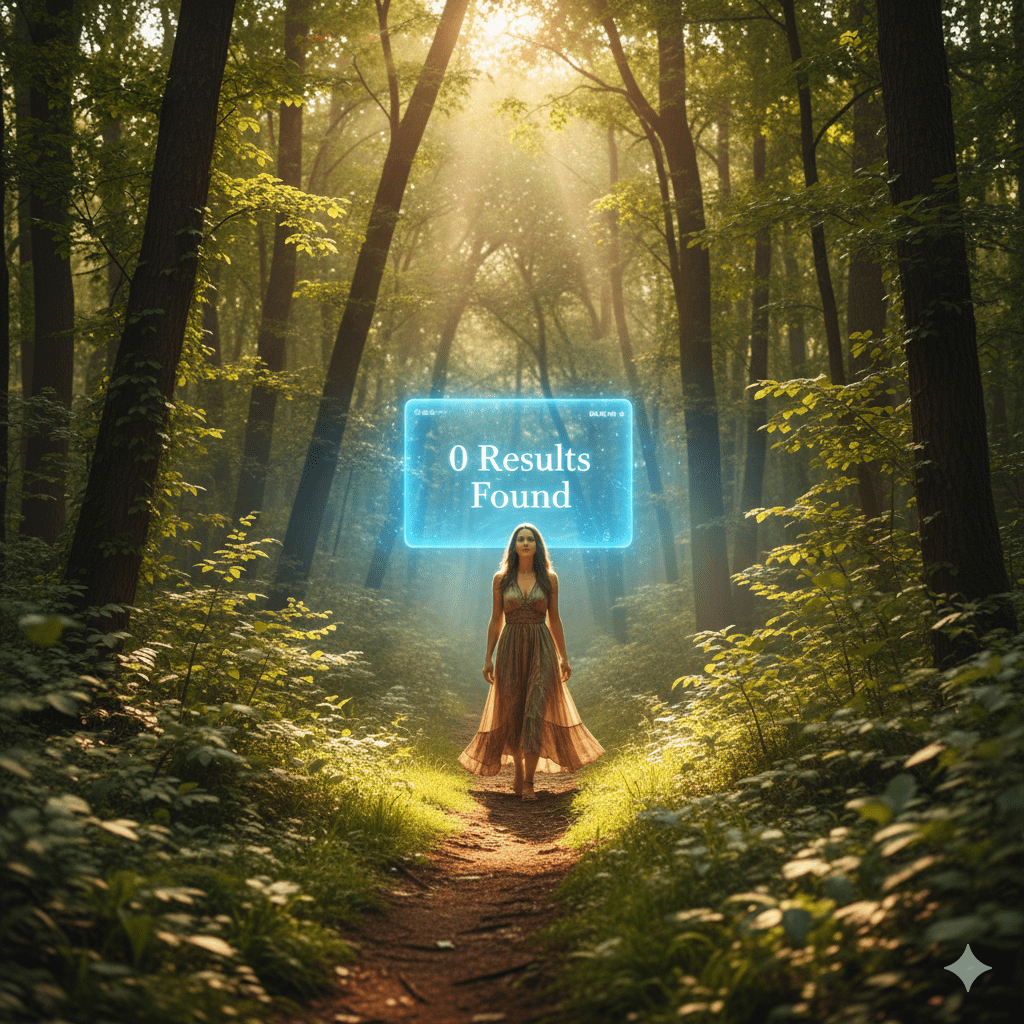
Yet, this person still revealed he knew my exact address. He tried to claim he found a house number in an old photo—a photo I knew didn’t exist. This is the hardest truth of protection: digital scrubbing is your first line of defense, but it is not your last. When someone views your boundaries as a challenge, they will bypass the internet entirely. They will use physical surveillance or other specialized means to hunt you.
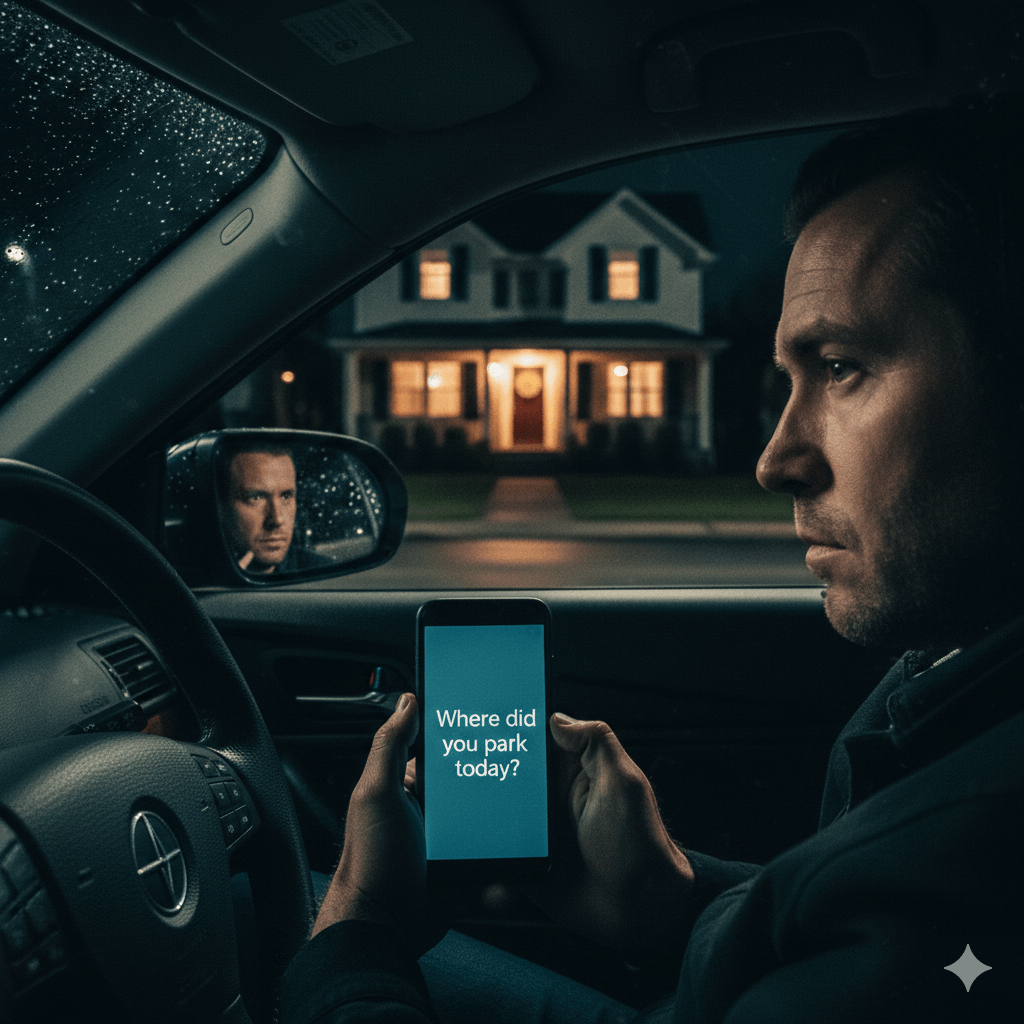
The violation became visceral when he admitted he had been past my house—that he was physically in my town, invading the one place I was supposed to be safe. He sent a text asking where I had parked my car, proving he was watching me in real-time. Because I was a digital ghost, he was forced to make these “loud,” desperate moves in the physical world. Those moves gave me the evidence I needed to go to the police and shut him down. We scrub the internet so that we are seen for our light, not our location. When you control what you share, you ensure that your “Self Image” remains your own, and your sanctuary remains a place that only the invited may enter.
 Self Image