By Amber Self Image Magazine
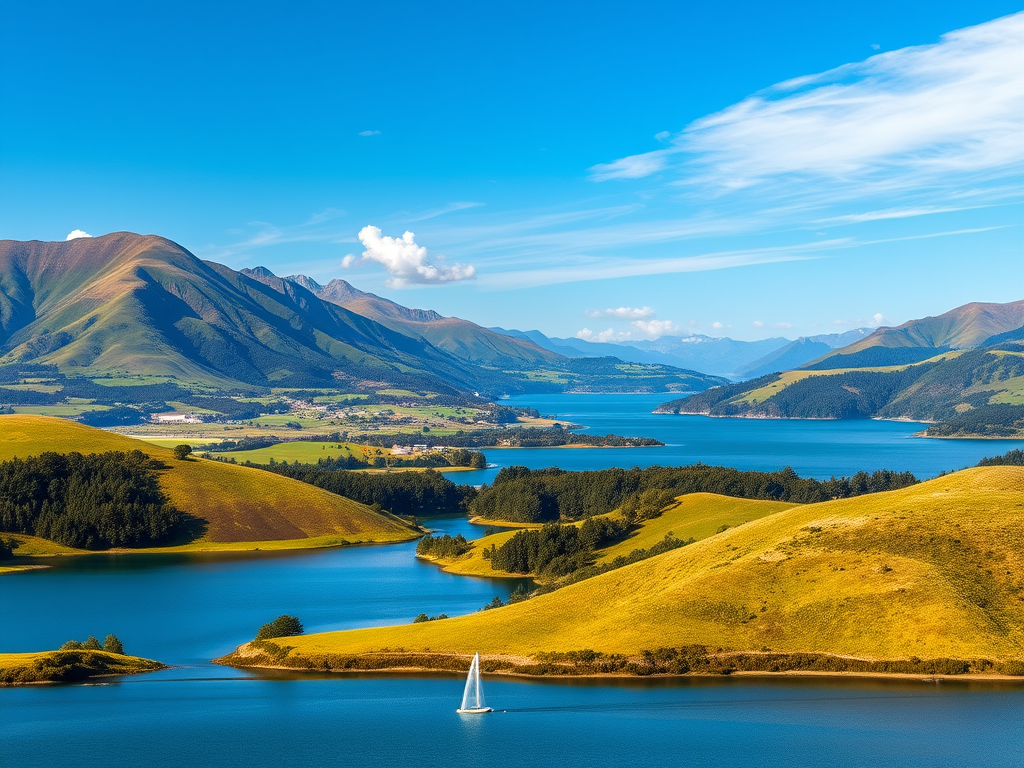
Arrival: Breathing in the Land
The moment you step onto the soil of Aotearoa, the air greets you like an old friend. It’s not just clean—it’s ancestral. There’s a softness to it, a dampness that carries the scent of flax, sea salt, and woodsmoke. In the early morning, mist curls around the hills like a shawl, and the birdsong—sharp, melodic, ancient—feels like a lullaby from the earth itself.
In Wellington, the wind is bold and unapologetic, brushing against your skin like a challenge to stay present. In Rotorua, the air is thick with geothermal breath—sulfur, steam, and healing minerals rising from the ground like offerings. You inhale, and it feels like the land is breathing you in too.

The Culture: Body as Whakapapa
In Māori cosmology, your body is not separate from the land—it is the land. You are connected through whakapapa, a sacred genealogy that links every person to Ranginui (Sky Father) and Papatūānuku (Earth Mother). Here, beauty is not measured by symmetry or size—it is measured by mana, the spiritual power you carry through your lineage.
Larger bodies are often seen as symbols of strength and abundance. Aging is revered, not resisted. Wrinkles are maps of wisdom. Stretch marks are rivers of survival. In Māori healing traditions like rongoā, wellness is not aesthetic—it is relational. You heal through connection: to your ancestors, your whānau (family), and the land itself.
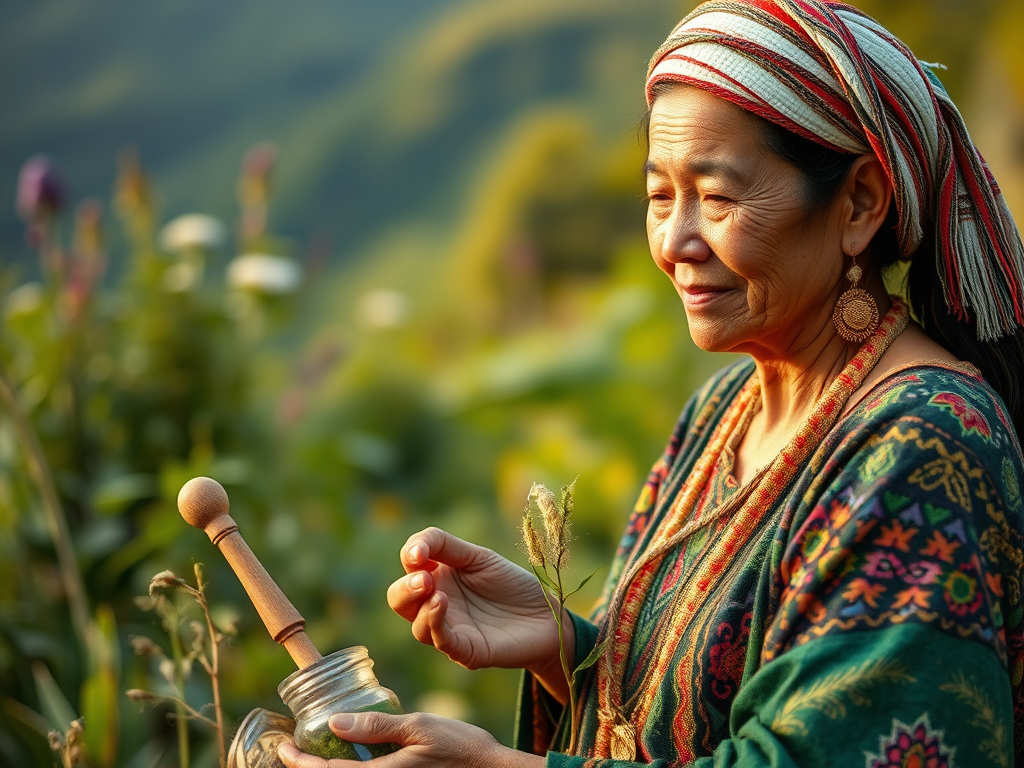
Interview: Rangi Te Ao – Māori Healer and Cultural Advocate
I met Rangi Te Ao in a quiet garden outside Taupō, where native kawakawa leaves rustled in the breeze and tui birds called from the trees. Her presence was grounding—like sitting beside a mountain.
Amber: What does healing mean to you, in the Māori tradition?
Rangi: “Healing is remembering. It’s not fixing—it’s returning. We return to our stories, our ancestors, our breath. The body holds trauma, yes, but it also holds joy. We must listen to both.”
Amber: How does introspection play a role in that?
Rangi: “We call it wānanga—deep reflection. It’s not just thinking. It’s sitting with spirit. Sometimes healing looks like silence. Sometimes it looks like karakia (prayer), or waiata (song). Sometimes it’s walking barefoot on the land until you remember you belong.”
Amber: What would you say to someone struggling with body image?
Rangi: “Your body is your ancestor’s dream. It is not a mistake. It is not a burden. It is a vessel of sacred memory. Speak to it with reverence.”
Sensory Immersion: What You Feel, Hear, Smell
- Touch: The earth is soft beneath your feet. Ferns brush your calves. Rain kisses your shoulders like a blessing.
- Sound: The haka echoes in your chest. Ocean waves chant lullabies. Children laugh in te reo Māori, their voices full of mana.
- Smell: Smoked fish, manuka honey, damp moss, and the sweet rot of fallen leaves. The scent of healing.
- Sight: Tattooed elders with moko kauae (chin tattoos) smile with pride. Curves are adorned, not hidden. Age is celebrated in every silver braid and sun-lined face.

Closing Reflection: A Land That Loves You Back
New Zealand doesn’t ask you to shrink. It asks you to expand. To take up space. To breathe deeply. To remember that your body is not a battleground—it is sacred ground.
In Aotearoa, healing is not a destination. It’s a rhythm. A return. A remembering.
 Self Image